A screen, not a wall
Our name describes the intent: to organise information without obscuring it.
Back to homeOur foundation
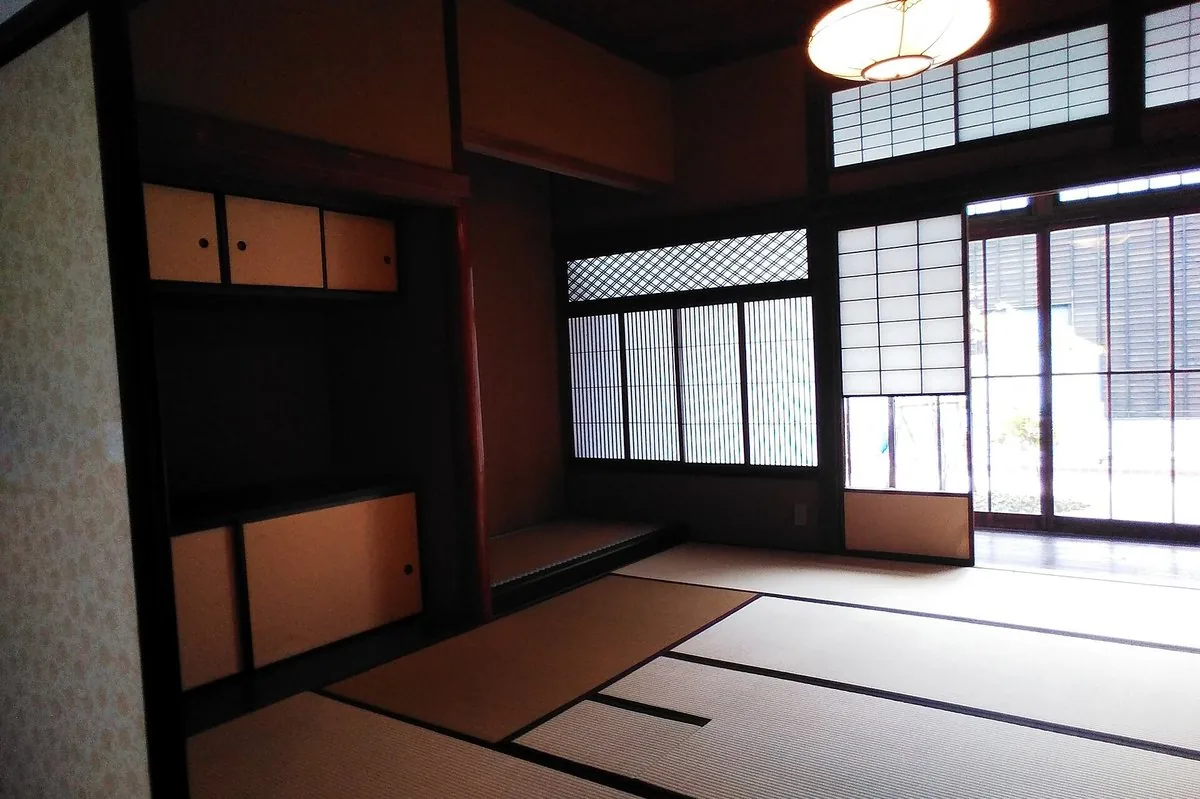
A shoji screen divides a room without sealing it — light and shape pass through, even as the space is given structure. That's the model we try to build to: systems that organise a company's documents while keeping every part of that organisation visible and checkable, rather than sealed behind a process nobody can inspect.
Philosophy and vision
We think a useful knowledge system is one that a sceptical colleague could double-check without special access. If an answer can't be traced back to its source in a few seconds, it isn't finished — it's a claim asking to be trusted on faith, which we'd rather not ask of anyone.
Core belief
Sources should stay attached to answers, always, without exception.
Core belief
Uncertainty should be surfaced, not smoothed over or hidden from the person relying on the result.
Core belief
A readiness problem is worth naming before it becomes a project problem.
Core belief
Access to information should follow a stated rule, not an informal habit.
Principles in practice
In the retrieval systems we build, every answer carries the file name of the document it drew on. In classification systems, anything the process is unsure about is routed to a person instead of being filed on a guess. These aren't add-ons — they're the parts of the system we consider non-negotiable.
The human-centred approach
The systems we build are meant to support the people already doing the work, not replace their judgement. A classification tool routes paperwork; it doesn't decide policy. A search interface surfaces documents; it doesn't interpret them for you. We try to keep that boundary clear throughout.
Innovation through intention
We're cautious about adding capability for its own sake. A feature earns its place if it makes an answer easier to verify or a process easier to understand — not simply because it's technically possible to include.
Integrity & transparency
We tell clients plainly when their documents aren't ready for a larger build, even when that costs us a project.
Community & collaboration
The person who will maintain a system is trained alongside its build, not handed a manual afterward.
Long-term thinking
Access rules and classification logic are documented so a system remains legible to whoever inherits it later.
What this means for you
Expect a straightforward account of what's possible with your documents, including where it isn't yet possible.
If any of this resonates
You're welcome to get in touch, without any obligation to move forward afterward.
Reach out